Tracking Ancestors on the Underground Railroad. IV: Relics and Recognition
MECHANICSVILLE, Va. (DML) — Much of the evidence of the Queen’s Bush community is gone. The community of escaped slaves and free Blacks had dwindled from as many as 1,500 residents in 1848 had dwindled to 192 in Peel Township and 45 in Wellesley Township by the 1851 Census (Cooke 2015). Most of those remaining in 1851, including Peter Taylor, Margaret White and their children, were gone by 1871. Homes, churches, cemeteries have been paved over, redeveloped, or crumbled into dust.
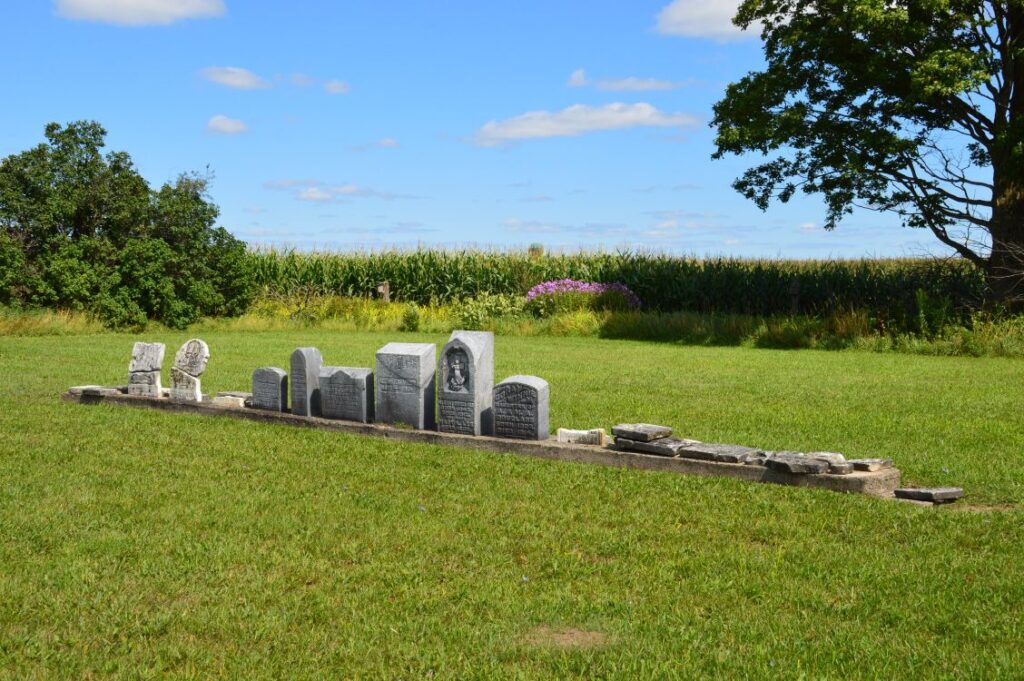
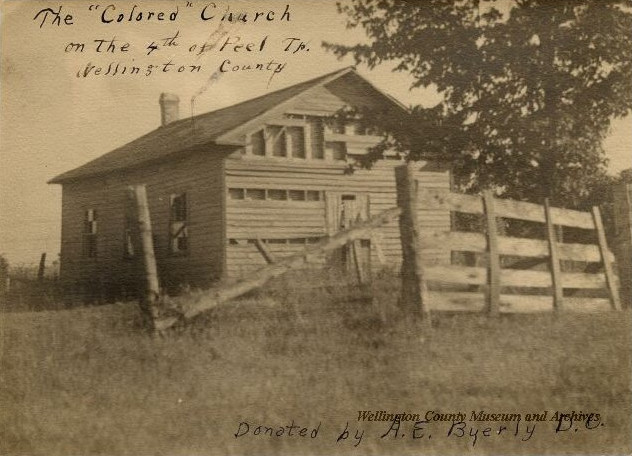
For example, the former African/British Methodist Episcopal Church cemetery in Peel has a small collection of largely degrading tombstones. Some have been cared for. Attempts have been made to repair others, but photos of the cemetery suggest the community’s fading history.
But efforts have been underway to prevent that history from disappearing. Linda Brown-Kubisch told the community’s story in a book, The Queen’s Bush Settlement: Black Pioneers 1839-1865 (Toronto: Natural History Press, 2004). The stories of the community have since popped up in newspapers and other media.
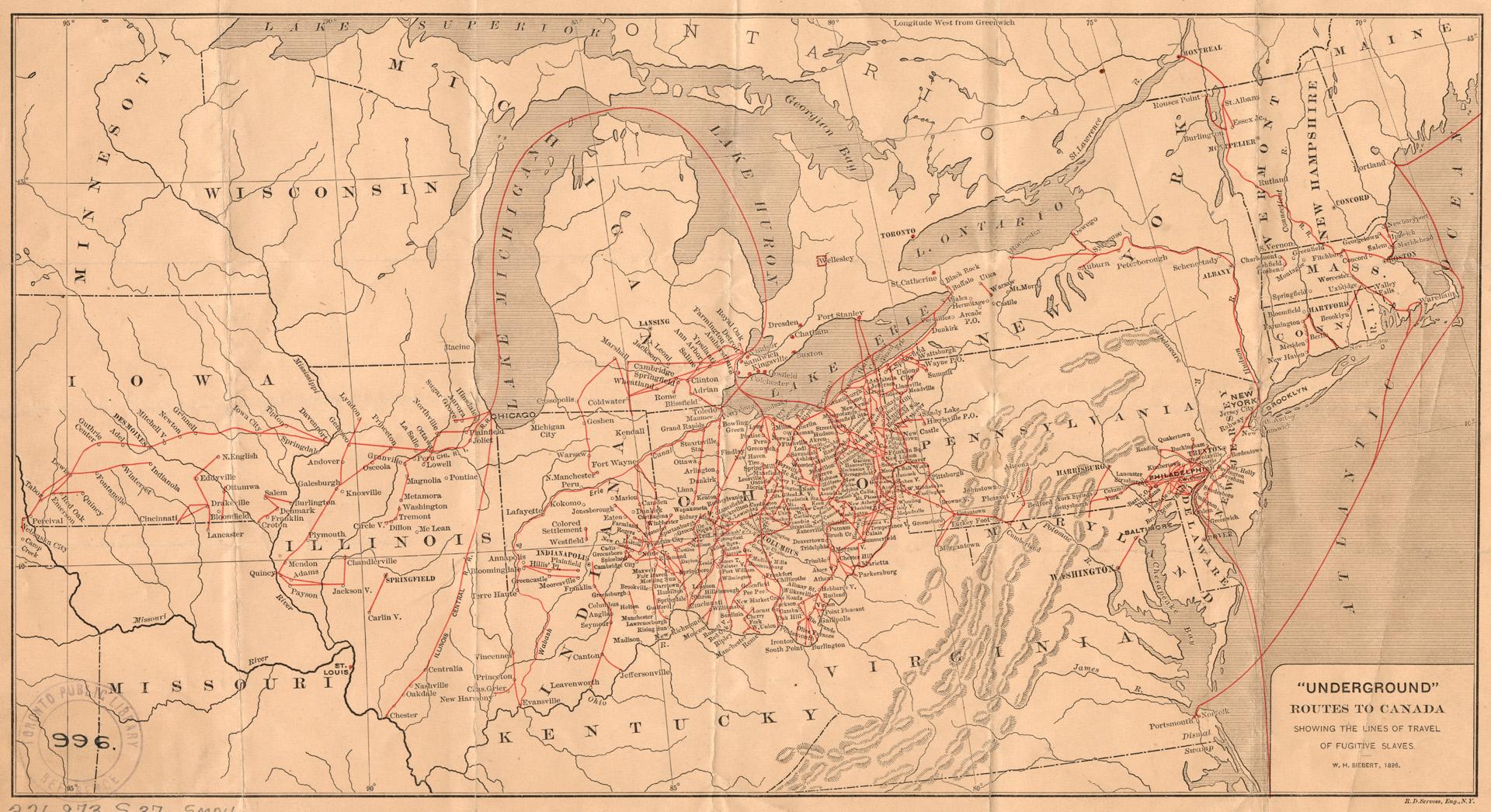
The efforts of modern historians and reporters like Brown-Kubisch were made easier by the early work of Drew (1856) and Siebert (1898), who recorded many first-hand accounts of the Underground Railroad.
In 2008, the Ontario Heritage Trust commemorated the legacy of the Queen’s Bush settlement with a plaque placed at Glen Allan Park in Glen Allan, Ontario. It read:
“In the early 19th century the vast unsettled area between Waterloo County and Lake Huron was known as the ‘Queen’s Bush.’ More than 1,500 free and formerly enslaved Blacks pioneered scattered farms throughout the Queen’s Bush, starting in about 1820. Many settled along the Peel and Wellesley Township border, with Glen Allan, Hawkesville and Wallenstein as important centers. Working together, these industrious and self-reliant settlers built churches, schools, and a strong and vibrant community life. American missionaries taught local Black children at the Mount Hope and Mount Pleasant Schools. In the 1840s the government ordered the district surveyed and many of the settlers could not afford to purchase the land they had laboured so hard to clear. By 1850 migration out of the Queen’s Bush had begun. Today African Canadians whose ancestors pioneered the Queen’s Bush are represented in communities across Ontario.”
Ontario Heritage Trust 2008
References
Brown-Kubisch, Linda. 2004. The Queen’s Bush Settlement: Black Pioneers 1839-1865. Toronto: Natural Heritage Books.
Cooke, William. 2015. “The Queen’s Bush Settlement.” Stalking Dead People (blog), William Cooke. 27 Nov 2022. http://stalkingdeadpeople.blogspot.com/2015/08/the-queens-bush-settlement.html.
Drew, Benjamin. 1856. The Refugee: Or the Narratives of Fugitive Slaves in Canada. Boston: John P. Jewett.
Ontario Heritage Trust. 2008. “The Queen’s Bush Settlement, 1820-1867.” King’s Printer for Ontario. Last Modified 2 Aug 2008. Accessed 27 Nov 2022. https://www.heritagetrust.on.ca/pages/programs/provincial-plaque-program/provincial-plaque-background-papers/queens-bush-settlement.
Pavlakos, Raphaela. 2021. “The Forgotten History of Wellington County: Queen’s Bush Settlers and their Legacies.” The Black Past in Guelph: Remembered and Reclaimed (blog), University of Guelph. 27 Nov 2022. https://blackpastinguelph.com/2021/02/15/the-forgotten-history-of-wellington-county-queens-bush-settlers-and-their-legacies/.
Siebert, Wilbur H. 1898. The Underground Railroad: From Slavery to Freedom. New York: MacMillan Company.
- Tracking Ancestors on the Underground Railroad. III: Dreams Rerouted
- Tracking Ancestors on the Underground Railroad. V: Conclusions . . . and More Connections