The Life of Yee Jock Leong. V: Final Trip
MECHANICSVILLE, Va. (DML) — By 1914, Yee Jock Leong was owned and operated a laundry at 438 Main Street, Irwin, Pennsylvania. But he stayed in touch with his family, and wanted to bring his son back to the United States. He may also have wanted to rebury a friend or family member in China, for an exhumation receipt for an Ah Quong, issued by funeral director (also county coroner) W.F. Gormley of Sacramento, California, on May 5, 1913, was found among Yee Jock Leong’s papers.
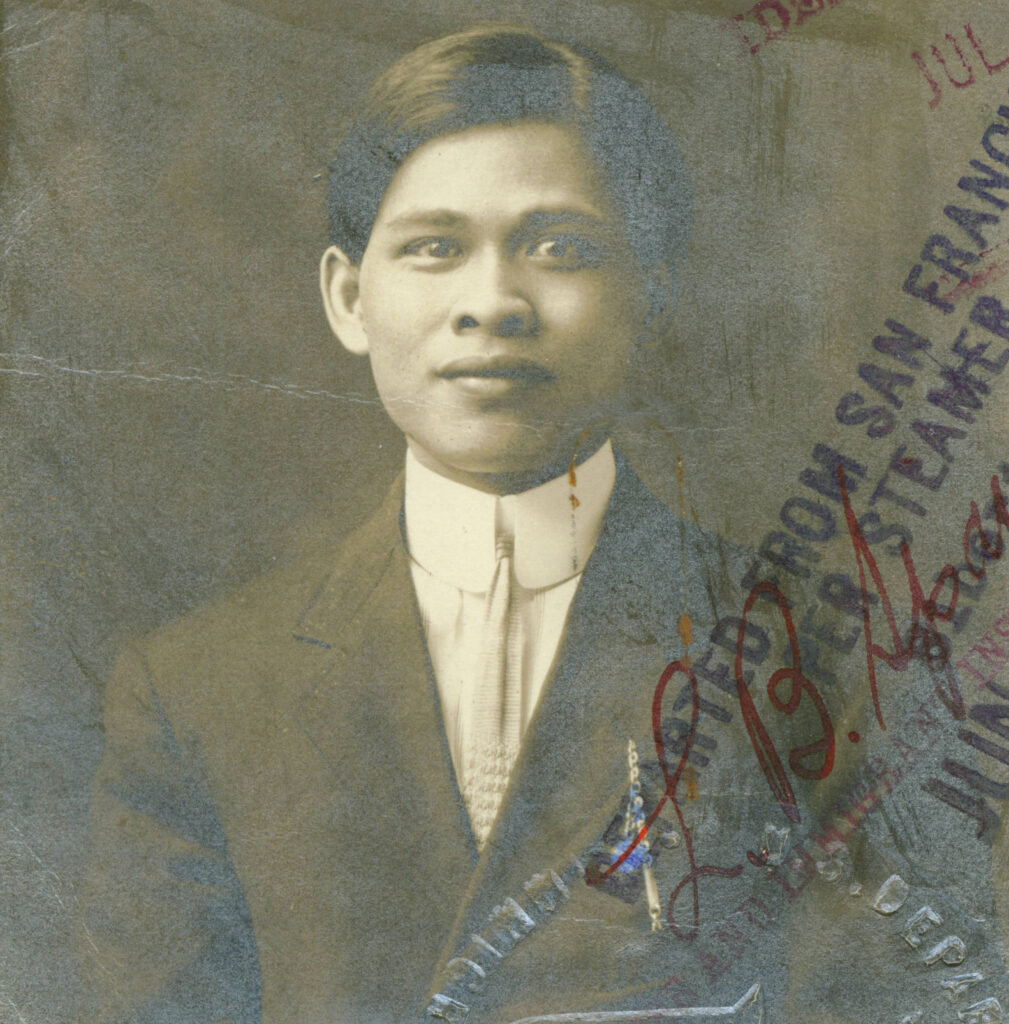
On April 14, 1914, in preparation of what turned out to be his final trip to China, Yee Jock Leong filed a Form 430 requesting a pre-investigation of his citizenship status in order to ease his return. Immigration officials interviewed him in Pittsburgh, Pennsylvania, the same day. Inspector L.B. Spaun reported favorably on Yee Jock Leong’s request, and his report began circulating up the bureaucratic ladder.
The inspector in charge at Pittsburgh, W.W. Sibray, forwarded the documents to the commissioner of immigration in San Francisco on May 28, 1914.
In San Francisco, a clerk on Angel Island forwarded Yee Jock Leong’s immigration file to the commissioner’s office on June 2, 1914. The inspector in charge at San Francisco, Charles Mehan, forwarded the entire file to the Immigration Service’s Law Section on June 2. W.E. Walsh of the Law Section approved Spaun’s recommendation on the same day, and Samuel W. Backus, the commissioner of immigration at San Francisco, gave his approval on June 3.
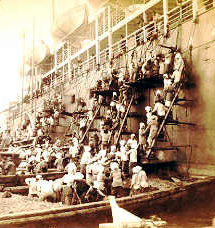
Sibray wrote Yee Jock Leong on June 8, 1914, saying that the immigration officer present at the Port of San Francisco will approve his application to be recognized a native-born citizen as soon as he presents himself with the appropriate documents prior to his departure for China. Yee Jock Leong departed for China on June 25 on board the S.S. Siberia.
On September 2, 1914, Yee Jock Leong wrote W.W. Sibray from Diehai, Sun Ning District, Canton (Guangdong) China to let Sibray know that he was planning to return in November with his son. He asked Sibray to contact the immigration officials in San Francisco. Sibray investigated the matter, then on October 20, 1914, kicked the issue upstairs to the commissioner of immigration for Philadelphia, recommending that the San Francisco office was the one that needed to deal with Yee Jock Leong’s concerns. The next day, E.E. Grunawalt, commissioner of immigration for Philadelpia, washed his hands of the affair and forwarded the Yee Jock Leong’s letter and other materials to the commissioner of immigration’s office in San Francisco.
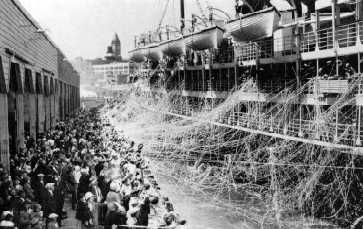
Yee Jock Leong did not return in November 1914. Yee Jock Leong sailed from Hong Kong on board the Siberia. He was bound for San Francisco, as indicated in his passenger card. His health was monitored the entire trip, and his health inspection card indicates that he had been vaccinated (against smallpox, I would imagine, but I do not know for sure).
When Yee Jock Leong arrived at the Port of San Francisco on June 29, 1915, he did not have his son with him. There are no records of the Immigration Service’s decision as to whether or not he could bring his son to the United States, and I have no other information to explain why he failed to bring his son.
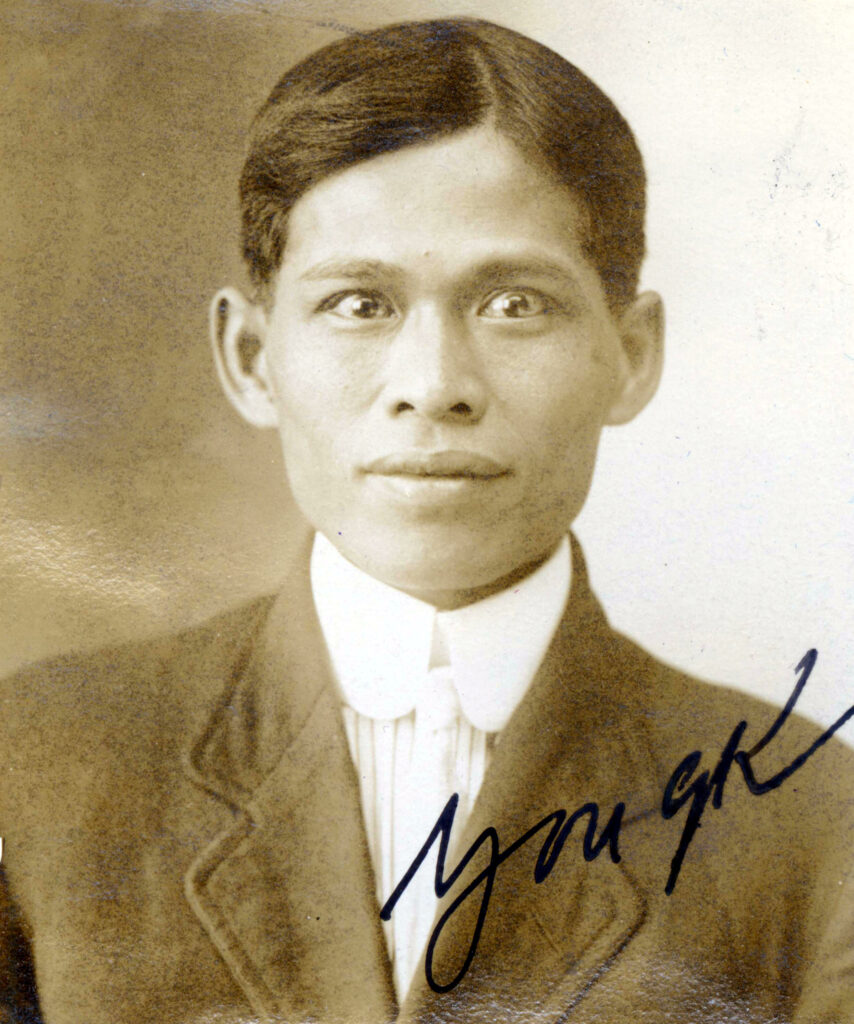
Yee Jock Leong was interviewed and granted permission to debark from the ship on the day he arrived.
On July 1, 1915, Yee Jock Leong applied for an certificate of identity from the Immigration Service. He asked that the completed card be delivered to 830 Grant Avenue, San Francisco, where he was apparently staying prior to his return to Irwin, Pennsylvania. The identity card was issued on July 2.
Yee Jock Leong boarded a train in Oakland about July 19, 1915, bound for Chicago. His Pullman ticket is stamped for both the 19th and 20th.
As far as I can tell, he never went back to China.